
Review
Plinko-style casino games have exploded in popularity across online sites aimed at players in the United Kingdom. This review focuses on a suspicious variant circulated under the name « fake plinko » — a game that borrows the familiar vertical board‚ pegs and falling puck mechanic but is frequently deployed by unlicensed operators or wrapped in misleading terms. Below we examine gameplay‚ fairness‚ where UK players encounter it‚ and whether it’s worth your stake.
What is Fake Plinko?
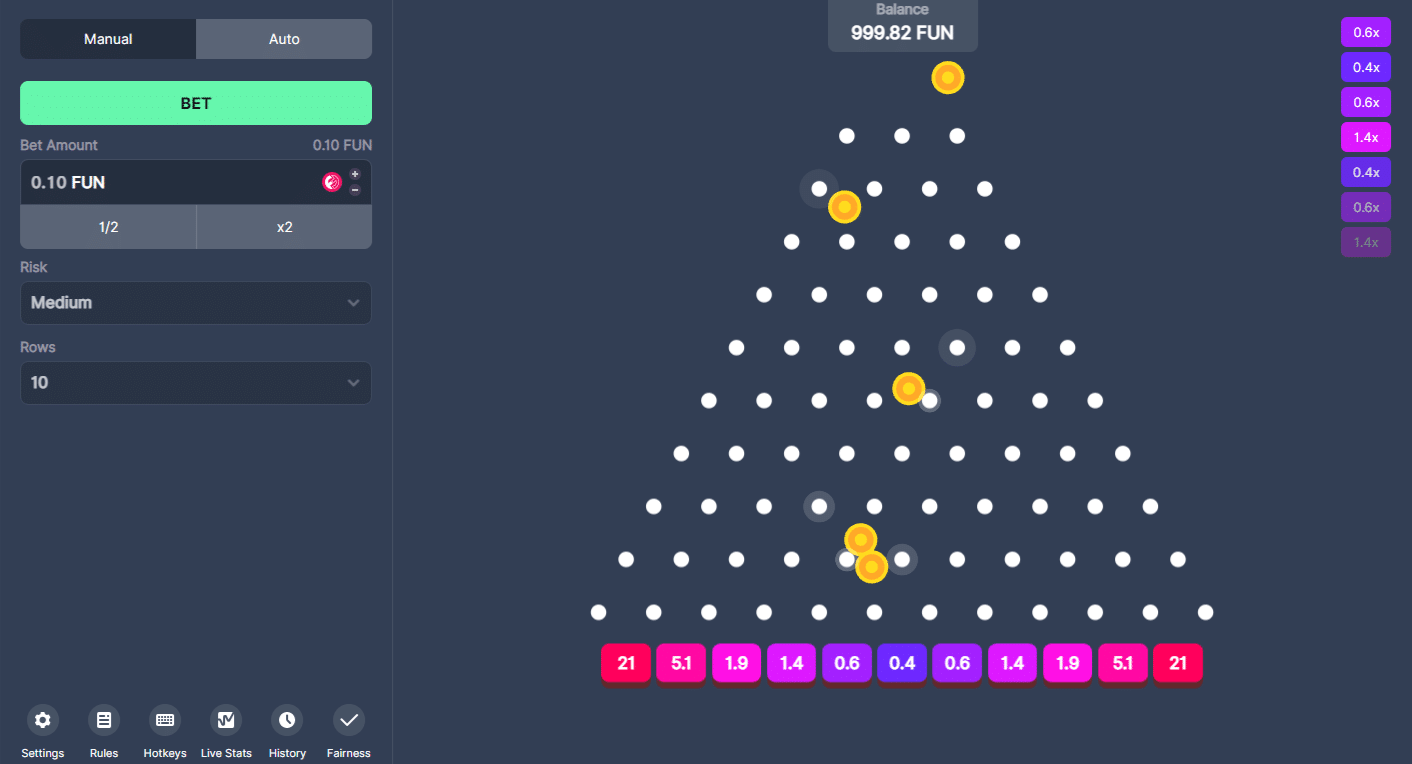
Fake Plinko imitates the aesthetics and tension of legitimate Plinko games: drop a chip‚ watch it bounce through pegs‚ and land on a prize slot. Unlike licensed Plinko titles from reputable providers‚ fake versions can alter drop physics‚ payout tables and RTP invisibly. They’re often offered as quick-bet games inside offshore casinos‚ social platforms‚ or ‘instant win’ pages marketed to UK customers.
Core mechanics
- Player chooses a bet and sometimes the drop column or an angle.
- A puck falls and interacts with pegs—animation may be simplified or randomized.
- Landing slot determines multiplier or prize; some versions include bonus rounds.
Gameplay Experience
On the surface‚ fake plinko is fun: quick rounds‚ satisfying visuals‚ and the feel of immediate reward. But the devil is in the details. Several user reports and testers describe inconsistent ball physics‚ suspiciously low big-win frequency‚ and lack of transparency on RTP. If you value predictable odds and documented fairness‚ these versions often disappoint.
Graphics and interface
The interface is typically mobile-first: bright colours‚ large buttons and minimal text. Animations are fast to keep players engaged. However‚ some fake releases cut corners—jerky physics‚ repeat patterns in bounce behaviour‚ and misleading win animations that delay showing the true result.
Where UK Players Encounter Fake Plinko
UK players report seeing fake plinko in several places:
- Unlicensed offshore casinos targeting UK IPs.
- Social gaming apps that mimic gambling without regulation.
- Pop-up ad links or crypto casinos promoting instant-play titles.
Regulatory and Fairness Concerns
The UK Gambling Commission sets strict controls for operators licensed to serve UK customers. Fake plinko variants are often absent from regulated portfolios. Key issues:
- No published RTP or audited RNG reports.
- Terms that void complaints or mislead on withdrawal conditions.
- Bonus or wagering requirements tied to free plays that never truly convert to withdrawable balance.
How to check if a plinko game is legitimate
- Look for operator licensing details (UKGC or other reputable regulator) in the casino footer.
- Search for independent audits from eCOGRA‚ iTech Labs‚ or GLI.
- Read player feedback and complaint histories on forums and review sites.
Bonuses and Monetisation
Fake plinko games are often promoted with attractive sign-up bonuses or « no deposit » free spins. These offers may sound generous but come with hidden strings: inflated wagering requirements‚ locked winnings‚ or blocked payment methods for UK bank accounts. Always read bonus T&Cs before claiming.
Player Safety and Responsible Play
The fast‚ repetitive nature of Plinko-style play makes it a risk for impulse staking. For UK players‚ stick to licensed operators who provide self-exclusion tools‚ deposit limits‚ and links to support organisations like GamCare.
Expert feedback
Experienced Player
« I switched to regulated Plinko games after noticing odd payout patterns. Fake versions can feel rigged—big wins are too rare and the experience pushes you to chase losses. », a UK-based casual player.
Questions and answers
frequently asked questions
Q: Is fake plinko illegal in the UK?
A: Playing it isn’t criminal for an individual‚ but operators targeting UK players without a licence may be breaking UK law; you should avoid sites that avoid UKGC oversight.
how to questions
Q: How can I test a plinko game’s fairness?
A: Play the demo (if available) and track outcomes over many rounds. Check for audited RTPs or contact support for RNG certification. If unavailable‚ assume the game is unreliable.
Table: Main parameters of Fake Plinko (typical)
| Parameter | Typical Value |
|---|---|
| RTP | Not disclosed / 85%–95% (varies) |
| Volatility | High (rare big wins) |
| Bet Range | £0.10 – £100 (depends on site) |
| Bonus Features | Multipliers‚ occasional free drops |
| Licence | Often missing or offshore |
Comparison with Licensed Plinko Titles
Licensed versions provide verified RTPs‚ provably fair mechanics in some crypto cases‚ and consumer protections. If you prefer transparent play and recourse for disputes‚ licensed titles are the clear choice over fake plinko clones.
Where to Play Safely (UK-focused advice)
If you want the Plinko experience with protections:
- Choose casinos licensed by the UK Gambling Commission.
- Verify games are provided by known developers with audit certificates.
- Use casinos with clear banking options and positive withdrawal reviews from UK players.
Final Verdict
Fake plinko can be entertaining for quick sessions‚ but the risk profile is higher than for regulated games. UK players should prioritise licensed operators‚ transparent RTPs and independent audits. Treat unknown Plinko clones with caution: limit stakes‚ avoid chasing losses‚ and never rely on flashy bonus promises from unverified sites.
Additional Comments on the topic of Games
Demo
Many legitimate platforms offer demo modes, a safe way to sample Plinko mechanics without real money. If a site refuses to provide a demo or hides play history‚ consider it a red flag.
Play responsibly and verify before you deposit. The fun of Plinko is the drop — don’t let a fake version drop you into trouble.